In recent months, everyone has faced challenges due to the COVID-19 pandemic. As healthcare workers, you have shouldered more responsibilities than most "regular joes" face in a lifetime. For most of us, our professional careers have leached over into our personal lives. As a result, we are dealing with pandemic-related issues stacked onto the normal stressors of our day-to-day lives.
I have suffered from anxiety for nearly 20 years. The attacks on 9/11 triggered the first panic attack I can remember, and I began a low dose anxiety prescription soon afterward. In my 20s, a leadership coach sent me an article about resilience, and I was inspired. I will use resilience to overcome my anxiety, I thought. In the ensuing years, I pursued higher education, learned coping skills, and built my own self-esteem through reading, writing, art, and professional development. I thought I was all set.
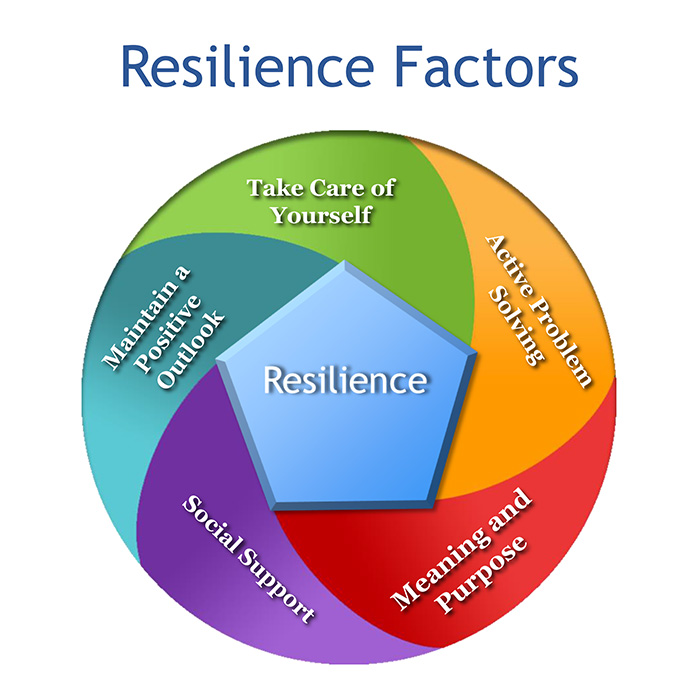
Webster defines resilience as "the capacity to recover quickly from difficulties; toughness." The American Psychological Association broadens that definition to include "adaptation in the face of adversity, trauma, tragedy, threats, or significant sources of stress - such as family and relationship problems, serious health problems, or workplace and financial stressors."
When the pandemic hit, our team of road warriors worked at SUN to support departments dealing with infection prevention. (SUN has remained COVID neutral thanks to the efforts of our whole team working together.) I am a quick learner and a flexible person, but my personal issues coupled with my uncertainty about the pandemic began to take a toll on me. The work I had done to build my own resilience was not going to cut it. I had been training for the minor leagues… this was a major league problem.
When people say depression and anxiety are tied to each other, believe them. My anxiety mounted and I began to suffer depressive episodes. I was feeling a recurring sense of hopelessness. I called my primary care doctor, who recommended cognitive behavioral therapy (CBT). Our Employee Assistance Program (EAP) provided several CBT sessions over the phone. After that ended, I shifted to a local therapist, who I now see on a regular basis. A psychiatric nurse practitioner monitors and adjusts my medications. The podcast Fake Doctors, Real Friends boosted my mood when I was feeling down.
In truth, I did not fail to build resilience. I had simply (and incorrectly) equated the concept of resilience with invulnerability. I needed to learn that I am a human being, vulnerable to harm, and that there are limitations to the amount of stress I can endure. My mother always told me - usually in the waiting room of our local ER - that I was not born invincible. She could not have guessed I would finally learn that lesson from a global pandemic decades later.
Resilience means choosing to bounce back, no matter what. Resilience means using whatever tools you have at your disposal, not just those you have within yourself, to survive. Resilience means reaching out for help - professional or otherwise - when you reach your limit. Resilience is not a skill to be learned - it is a mindset to be adopted.
Note on Author: Esther Hofknecht Curtis, MSM-HCA is a community liaison for SUN Behavioral and a member of the Delaware Medical Reserve Corps BEST. She is an advocate for patients with mental health and substance use disorders and has worked in the field of healthcare since 2008.
Source: Resilience Factors. (2019) https://www.afsa.org/enhancing-resilience